How to Choose Richmond Hill Insulation Contractor for Cost Savings
Simplified Insulation Installation: Professional Services for Every Need
Insulation has a crucial part in improving energy efficiency and comfort within a home. A lot of homeowners overlook the nuances of appropriate installation, which can lead to substantial energy loss and higher bills. Skilled insulation services offer personalized solutions to address specific needs. However, understanding the diverse types of insulation available and the advantages of expert installation is essential. This knowledge can empower homeowners to make well-informed decisions about their insulation projects.
Comprehending the Importance of Appropriate Insulation
Though commonly neglected, adequate insulation fulfills a critical purpose in upholding energy efficiency and comfort within a home. It operates as a barrier against heat transfer, retaining indoor temperatures stable regardless of external weather conditions. By reducing the escape of heated or cooled air, insulation considerably lowers the reliance on heating and cooling systems, which can produce lower energy bills.
Furthermore, sufficient insulation aids in soundproofing, generating a quieter living environment by decreasing noise from outside and between rooms. This aspect is specifically important in urban areas or homes with shared walls.
Moreover, adequate insulation can work to inhibit moisture buildup, which can lead to mold growth and structural damage over time. Homeowners who prioritize insulation not only enhance their living conditions but also protect their investment in the property, providing long-term stability and stability in the housing structure.
Insulation Service Options Available
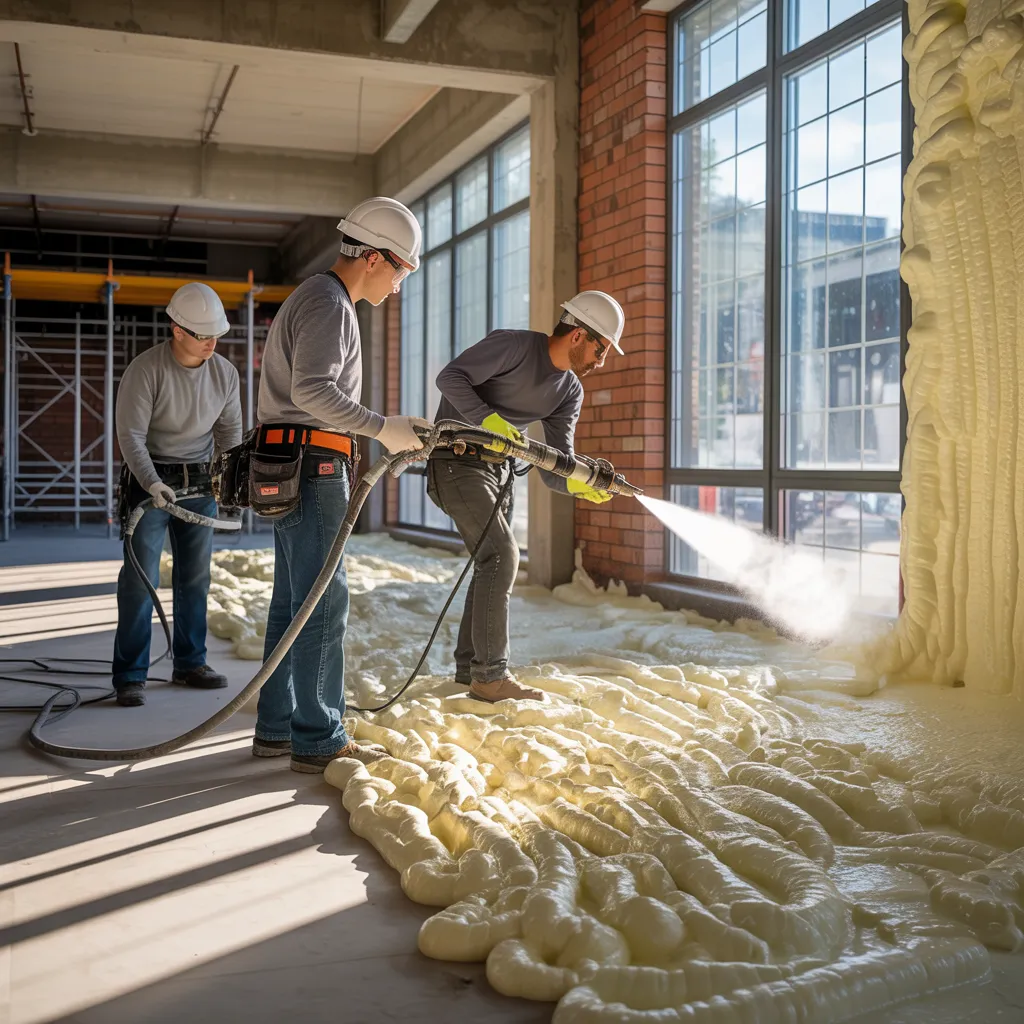
Insulation services encompass a variety of options tailored to meet the specific needs of different homes and buildings. Among the most common types are batt insulation, which consists of pre-cut panels of glass fiber or mineral wool, ideal for standard stud and joist spacing. Spray foam insulation delivers a seamless barrier that expands to fill gaps, providing excellent air sealing properties. Blown-in insulation, generally constructed from cellulose or fiberglass, is ideal for attics and hard-to-reach areas, providing thorough coverage. Rigid foam insulation is commonly employed for exterior walls and foundations due to its elevated insulating value and moisture resistance. Moreover, reflective or radiant barrier insulation is designed to decrease heat transfer, especially in warmer climates. All insulation options are intended to improve energy efficiency, comfort, and overall building performance, making it vital to select the right solution based on specific building requirements and environmental conditions.
Benefits of Hiring Professional Insulation Installers
As homeowners evaluate insulation installation, working with professional installers can greatly enhance the overall outcome. Professional installers bring experience and knowledge, ensuring that the insulation is installed right and competently. Their familiarity with various insulation types allows them to propose the best options tailored to the specific needs of each home.
In addition, professionals are equipped with the right tools and equipment, which can considerably reduce the time required for installation. They also comply with local building codes and safety regulations, minimizing the risk of potential issues.
Furthermore, working with professionals can result in enhanced energy efficiency, producing lower utility bills over time. Professionals often include warranties on their work, offering homeowners with peace of mind concerning the quality and durability of the insulation. examination Overall, investing in professional insulation installation can preserve time, money, and stress, producing a more comfortable living environment.
Insulation Installation: A Step-by-Step Process Overview
An in-depth understanding of the insulation installation process is crucial for homeowners beginning this significant home improvement project. The process usually begins with an assessment of the home's current insulation and identifying areas demanding improvement. Professionals conduct measurements and determine the proper type and amount of insulation needed based on the specific space.
Following this, they get ready the installation area by making sure it is clean and accessible. This may require removing old insulation and restoring any worn structures. The installation procedure can fluctuate depending on the insulation type, whether it's batts, spray foam, or blown-in. Professionals diligently set or apply the insulation, ensuring it sits securely in the designated spaces to improve effectiveness.
In the end, contractors conduct a thorough inspection to ensure that the insulation satisfies safety standards and functions efficiently. Appropriate installation not only enhances energy efficiency but also enhances the overall comfort of the home.
Selecting the Correct Insulation for Your Property
How might homeowners figure out the most suitable insulation for their needs? To make an informed decision, they should assess several factors, including climate, budget, and the specific areas needing insulation. Different insulation types—such as fiberglass, foam, and cellulose—offer different R-values, which measure thermal resistance. In colder climates, higher R-values are preferable, while milder climates may require less insulation.
Property owners should also evaluate the installation process, as some materials demand professional installation, while others can be suitable for DIY projects. Additionally, it is important to examine environmental impact; options like recycled cellulose can provide eco-friendly benefits.
In conclusion, partnering with insulation professionals can supply personalized recommendations grounded in a home's specific requirements. By diligently evaluating these aspects, homeowners can choose the insulation that best addresses their expectations, ensuring energy efficiency and comfort throughout their living spaces.
Popular Questions
How Much Time Does Insulation Installation Usually Take?
The installation of insulation typically requires between a few hours to a full day, contingent upon the area size and the insulation type being installed. Variables such as accessibility and preparation also influence the duration.
What Are the Financial Considerations for Insulation Installation?
Costs connected to insulation installation vary widely, typically ranging from $1 to $3 per square foot. Considerations determining costs include insulation material, installation complexity, and regional workforce rates, influencing the overall budget for the project.
Do Any Government Rebates Available for Insulation Setup?
Several governmental bodies offer rebates for insulation installation to support energy efficiency. These incentives can change according to location and might rely on the kind of insulation employed, which makes it important to investigate local programs for qualification information.
Can Insulation Aid in Noise Reduction?
Insulation can significantly help with noise reduction by absorbing sound vibrations, consequently decreasing the transmission of noise between spaces. This effect boosts comfort in domestic and professional spaces, creating a quieter atmosphere overall.
What Should I Do to Prepare for Installation Day?
When preparing for installation day, it's important to clear the area where insulation will be installed, provide access to the space, eliminate any barriers, and convey any special needs or issues to the installation team ahead of time.